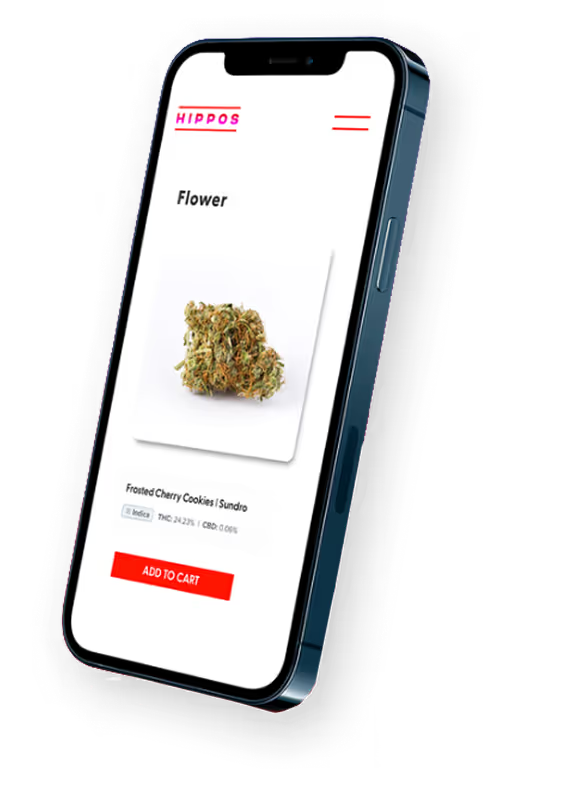
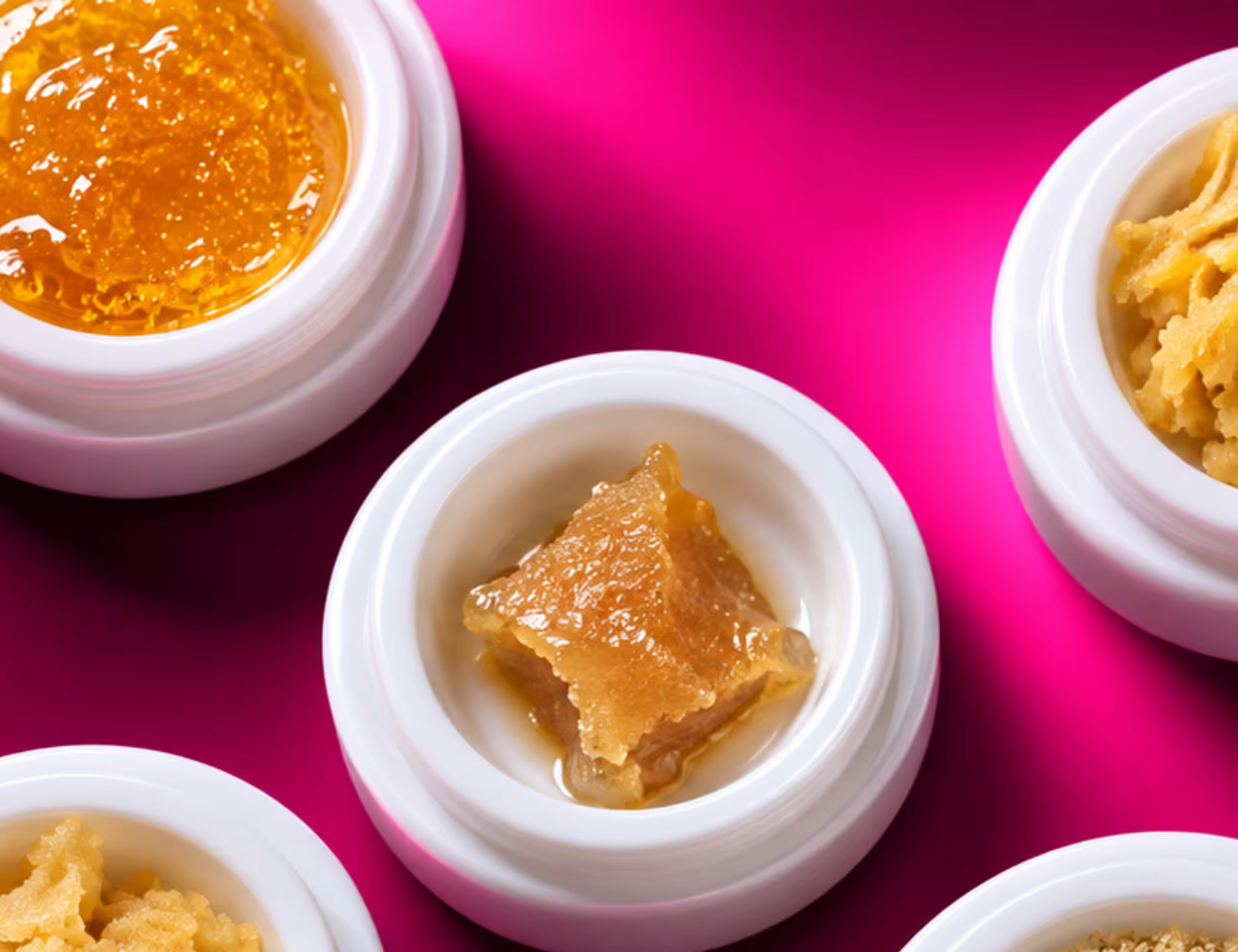

Cannabis menus come with their own vocabulary, and “solventless” is one word worth getting acquainted with. Shoppers exploring concentrates at Hippos might recognize rosin or bubble hash without knowing what connects them. The answer starts with how the resin is collected.
For cannaseurs interested in flavor, craftsmanship, or the story behind a product, that process gives the concentrate case useful context. A few definitions make those labels much easier to navigate.
What Does Solventless Mean?
Solventless concentrates use physical methods to separate or collect cannabis resin instead of extraction solvents. Depending on the product, those methods involve sifting, ice water and agitation, or heat and pressure.
The starting point is the trichomes: tiny resin glands that contain much of the plant’s cannabinoids and aromatic terpenes. Producers collect those glands or press resin from flower or hash, concentrating what makes the starting material interesting.
Water is technically a solvent in chemistry, but in ice water hash production, it helps physically separate and carry resin glands rather than dissolve the resin. That’s why the cannabis industry calls this process solventless.
The Main Types, Explained
Rosin: Producers apply heat and pressure to flower, sift, or hash to release resin. Flower rosin and hash rosin describe different starting materials. Finished textures can range from sticky and glossy to soft and creamy, depending on processing and storage.
Live rosin: This begins with cannabis frozen soon after harvest rather than dried and cured. Producers typically wash it into ice water hash, dry the collected material, and press it into rosin. Freezing helps preserve aromatic compounds, although the finished flavor still depends on the cultivar and handling.
Bubble hash, or ice water hash: Cold water and agitation separate trichome heads, which are collected through screens and dried. Different grades contain different amounts of remaining plant material. Some are suited to pressing into rosin; others are sold as hash.
Dry sift and kief: Screens separate resin glands from dried cannabis. Grinder kief is a familiar example, while carefully refined dry sift involves additional separation. The two can differ considerably in how much plant material remains.
Traditional pressed hash: Collected resin is worked or compressed into a cohesive piece, sometimes with heat. Techniques vary, so “hash” covers several styles rather than one identical product.
Live Rosin or Live Resin?
One letter makes a meaningful difference. Both can start with fresh-frozen cannabis, but live rosin uses mechanical separation and pressing, while live resin generally uses solvents during extraction.
Both can offer expressive aromas. Neither name guarantees a particular flavor, strength, or experience. Hippos' live resin guide explores that neighboring category.
“Solvent-free” also deserves attention: it can describe an extract made with solvents that were subsequently removed. It doesn’t necessarily mean solventless production.
Why the Interest, and the Higher Price?
Part of the appeal is following a cultivar’s character into another format. A flower fan who enjoys citrus, pine, or earthy aromas may find rosin an interesting way to explore those preferences. Proper Cannabis, for example, describes selecting cultivars suited to hash production before washing, drying, and pressing their resin.
That work helps explain the price. Solventless production can involve substantial labor, specialized equipment, and variable yields. Some cultivars release resin more readily than others, and the amount collected affects production costs.
Flavor preferences, freshness, format, and budget are useful considerations alongside THC content.
Does Solventless Mean Purer or Stronger?
The label identifies a process, not a quality guarantee. Strength varies by product and batch. Package information and available testing results provide more useful detail than assuming every rosin will be stronger than every resin. Extraction style alone cannot predict someone’s experience.
Exploring Solventless at Hippos
Hippos has advertised Bad Pony, Proper Cannabis, Robust, Local Cannabis, and Amaze, giving curious cannaseurs several producers to explore. Current strains and stock need checking on the location menus for Chesterfield, Columbia, or Springfield.
Available cultivars give shoppers another starting point: familiar citrus notes, earthy aromas, or something outside their usual rotation.
Useful questions when shopping include:
- Is this flower rosin, hash rosin, or live rosin?
- What aroma notes does the producer describe?
- Does the product require a compatible concentrate device?
- What storage directions appear on the package?
Solventless also appears in prepared formats, including rosin vapes and infused edibles. Their ingredients, hardware, and serving information deserve their own look; the extraction label tells only part of the story.
For shoppers browsing Hippos, that’s the value of understanding solventless: knowing what went into the product and which questions help narrow the choices. The most interesting find may be a familiar aroma in a completely different format.
Medical decisions should not be made based on advertising. Consult a physician on the benefits and risks of particular medical marijuana products. This message is not designed to increase interest in purchasing medical marijuana, nor any particular product.